
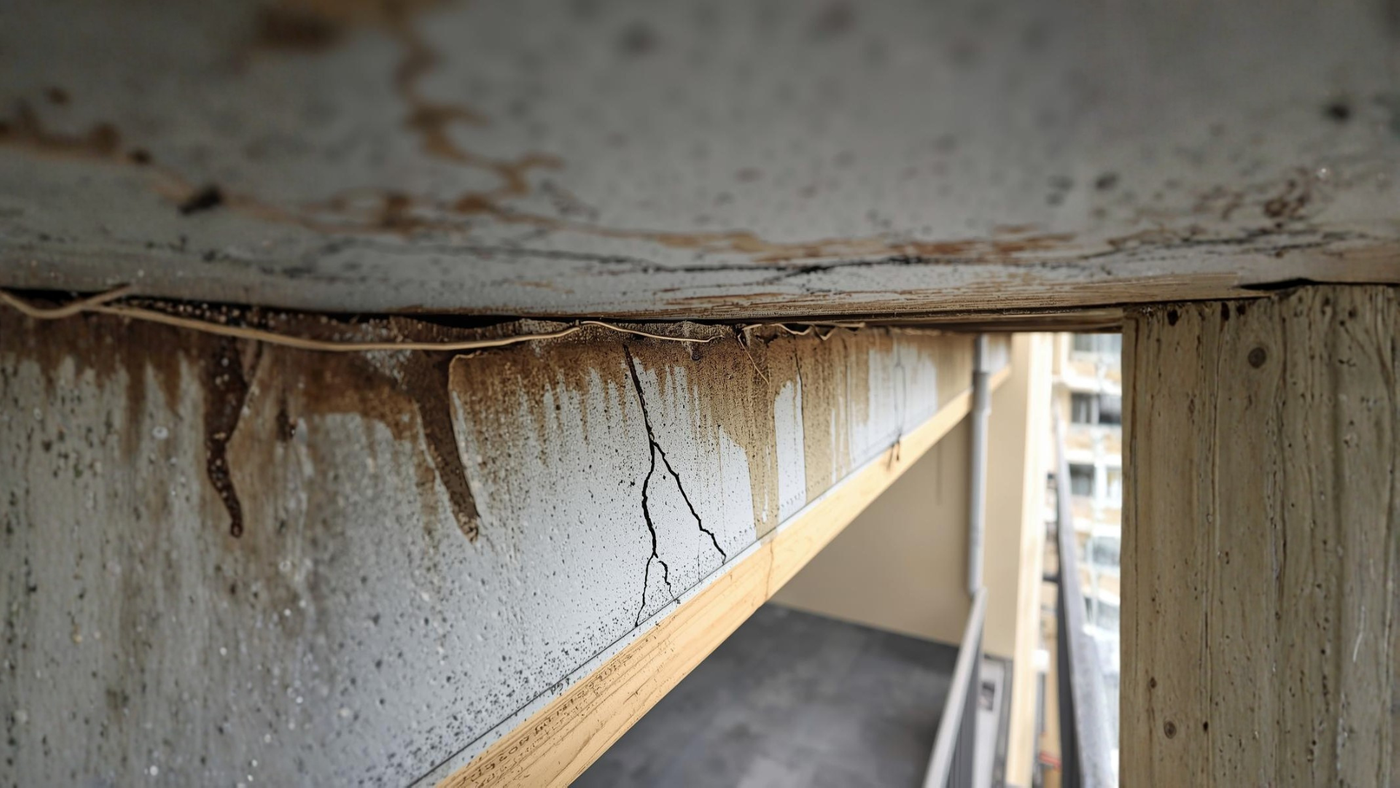
Water intrusion is one of the most expensive and preventable issues facing multifamily and HOA properties in California. From balcony systems to elevated walkways and planters, failed waterproofing does not just cause cosmetic damage. It can compromise structural integrity, trigger costly repairs, and create significant liability exposure for boards and property managers.
At Whitestone Industries, we have seen firsthand how small coating failures can turn into major structural rehabilitation projects when left unaddressed. Understanding why waterproofing fails and how to proactively protect your property can save hundreds of thousands of dollars over the life of a building.
Why Waterproofing Systems Fail in California
California’s climate presents unique challenges for exterior waterproofing systems, especially in regions with intense sun exposure like the Central Valley and Southern California.
1. UV Degradation
Prolonged exposure to ultraviolet rays breaks down coatings over time. Even high-performance systems deteriorate without proper maintenance cycles. As membranes age, they lose elasticity and begin to crack.
2. Improper Surface Preparation
Waterproofing is only as good as the surface beneath it. If cracks are not properly treated, drains are not verified, or moisture is trapped below the system, failure is inevitable. Shortcuts during preparation are one of the leading causes of premature coating breakdown.
3. Drainage Issues
Standing water is the enemy of any waterproofing system. Improper slope, clogged drains, or failed drain assemblies allow water to sit on surfaces longer than intended, accelerating deterioration.
4. Structural Movement
Concrete expands and contracts with temperature changes. If the installed system does not accommodate movement, cracking and separation occur. This is especially common in elevated decks and balconies.
5. Lack of Ongoing Maintenance
Many HOA boards assume waterproofing is a one-time installation. In reality, protective systems require inspection and periodic re-coating. Without a maintenance plan, small cracks quickly turn into intrusion points.
Warning Signs Your Waterproofing System Is Compromised
Identifying early indicators can significantly reduce repair scope and cost.
-
Cracks forming in deck coatings
-
Bubbling or peeling surface materials
-
Rust stains along edges or rail posts
-
Soft or spongy walking surfaces
-
Visible water stains on ceilings below balconies
-
Failed or clogged drains
-
Wood rot at fascia or trim lines
If any of these signs are present, a professional inspection should be scheduled promptly. Delaying action increases both structural risk and financial exposure.
The Real Cost of Delaying Waterproofing Repairs
Water intrusion rarely stays isolated. Once moisture penetrates the membrane, it begins attacking the substrate and framing below.
Structural Wood Rot
In wood-framed balcony systems, trapped moisture leads to rot, weakening load-bearing components and compromising safety.
Corrosion of Steel Components
Metal connectors, fasteners, and embedded structural supports corrode when exposed to prolonged moisture.
Increased Scope of Repairs
What begins as a coating repair can quickly evolve into demolition, framing replacement, and structural reconstruction.
Legal and Liability Exposure
California legislation such as SB 326 and SB 721 has increased accountability for exterior elevated elements. Failure to maintain waterproofing systems can result in compliance issues and potential liability if structural conditions are compromised.
What a Proper Waterproofing System Should Include
A long-lasting waterproofing system is built on process and precision.
Thorough Surface Preparation
-
Mechanical surface grinding or scarification
-
Crack routing and treatment
-
Moisture testing
-
Drain verification and slope correction
Primer Application
Primers ensure proper adhesion between substrate and membrane. Skipping this step often results in delamination.
Reinforced Membrane Installation
High-quality systems incorporate reinforced membranes capable of handling movement and exposure. Installation must follow manufacturer specifications precisely.
Drain Mat and Termination Detailing
Drain assemblies and termination bars must be properly sealed and integrated into the system to prevent edge failure.
Quality Control and Final Inspection
A professional waterproofing contractor conducts internal QAQC checks and final walkthroughs to confirm system integrity before project completion.
How SB 326 and SB 721 Impact Waterproofing Decisions
California’s balcony inspection laws have shifted how HOAs approach exterior maintenance.
Under SB 326 and SB 721, exterior elevated elements such as balconies and decks must be inspected periodically for safety and structural integrity. Failed waterproofing systems often surface during these inspections.
Proactive waterproofing upgrades not only protect the structure but also position associations to pass inspections with fewer corrective actions. Waiting until inspection deadlines often leads to compressed timelines and higher costs.
Proactive Waterproofing vs Reactive Structural Repairs
Proactive waterproofing maintenance is significantly more cost-effective than structural rehabilitation.
Preventative approach:
-
Re-coating before full membrane failure
-
Minor crack repair
-
Drain maintenance
-
Scheduled inspections
Reactive approach:
-
Demolition of deck surface
-
Removal of compromised framing
-
Structural rebuild
-
Engineering involvement
-
Extended resident disruption
The difference in cost can be substantial, not just financially but operationally.
Why Experience Matters in Multifamily Waterproofing
Multifamily waterproofing is not the same as single-family deck coating. It requires:
-
Understanding of structural assemblies
-
Compliance knowledge
-
Resident coordination
-
Clear documentation
-
Phased project planning
-
Safety protocols
Whitestone Industries has over 15 years of experience serving multifamily communities throughout California. Our team understands how to properly evaluate, repair, and protect elevated exterior elements while minimizing disruption to residents.
We approach every project with precision, documentation, and long-term performance in mind.
Protect Your Property Before Small Issues Become Major Repairs
Waterproofing systems are a critical line of defense for multifamily properties. When properly installed and maintained, they protect structural framing, prevent liability exposure, and extend the life of exterior elevated elements.
If your property has not had a recent waterproofing inspection or if you are preparing for an upcoming SB 326 or SB 721 evaluation, now is the time to act.
Whitestone Industries provides professional waterproofing assessments, repairs, and full-system installations tailored to multifamily and HOA communities across California.
Schedule a consultation today and ensure your property remains protected for years to come.