
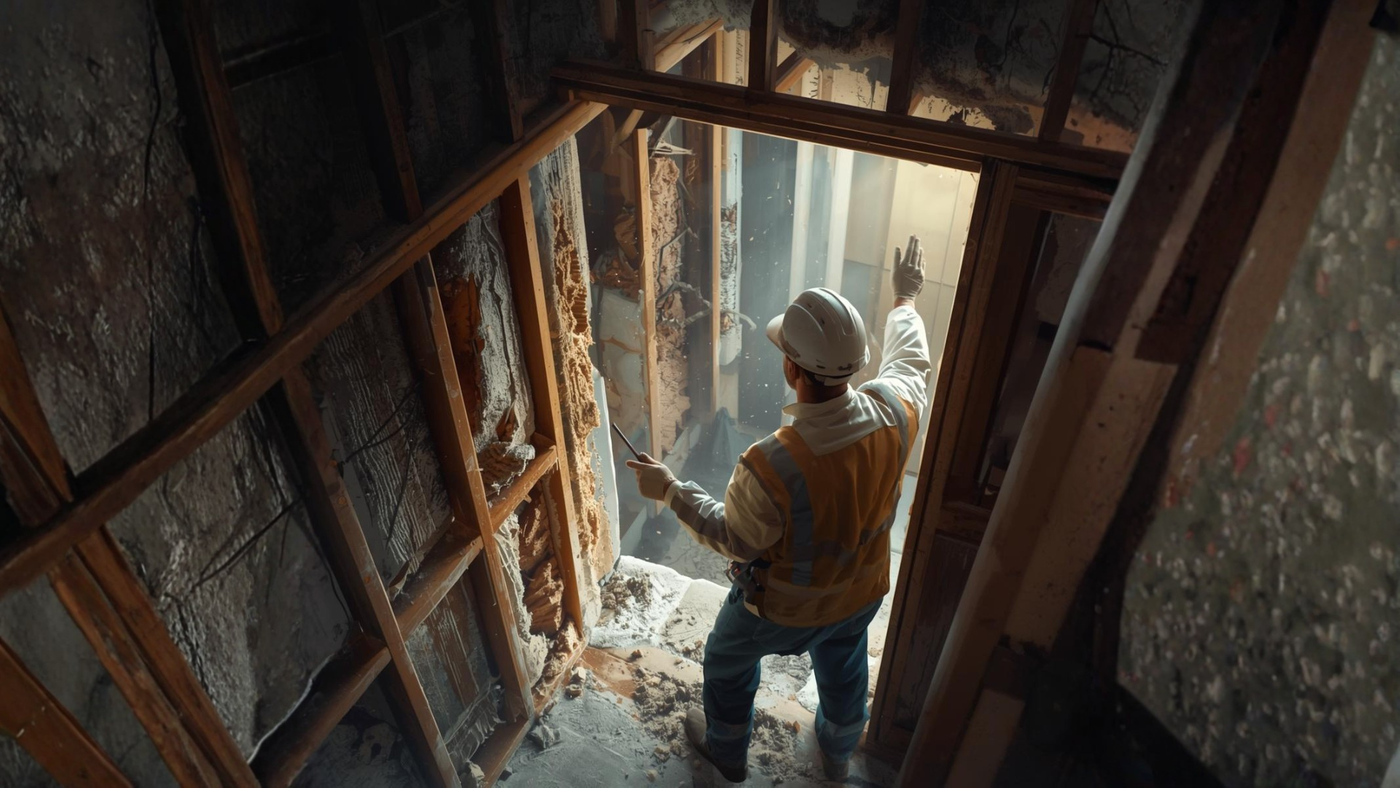
Construction projects involve many trades, materials, and design decisions. Even when a building appears well-constructed on the surface, hidden defects can exist beneath finishes and assemblies. Over time, these defects may lead to water intrusion, structural damage, or premature material failure. When this happens, visual inspections alone are often not enough to identify the root cause.
This is where construction defect destructive testing becomes essential. Construction defect destructive testing is a forensic investigation method used to expose concealed building components by selectively removing materials. Although the term “destructive” may sound alarming, the process is controlled, targeted, and designed to provide clear, reliable answers when other inspection methods fall short.
What Is Construction Defect Destructive Testing?
Construction defect destructive testing is a method used to investigate suspected construction defects by physically accessing hidden portions of a building. This may include removing sections of walls, roofing systems, flooring, or exterior cladding to evaluate how materials were installed and whether they comply with design documents, building codes, and industry standards.
Unlike surface-level inspections, destructive testing allows engineers and consultants to directly observe real construction conditions. It enables professionals to verify installation methods, confirm material types, collect samples for laboratory testing, and document concealed defects with photographic evidence. Because the investigation is based on physical findings rather than assumptions, destructive testing often provides the most accurate conclusions.
Why Destructive Testing Is Necessary
Many construction defects occur behind finished surfaces and remain undetected for years. Moisture intrusion, corrosion, improper flashing, and missing components are common issues that cannot be confirmed without opening up the building assembly.
Destructive testing is necessary because it allows investigators to verify whether construction was performed correctly and whether materials are functioning as intended. It also helps identify the true source of damage rather than treating symptoms. Without destructive testing, repairs may be based on guesswork, leading to repeated failures and increased costs.
Destructive Testing vs. Non-Destructive Testing
Non-destructive testing methods, such as infrared scanning or moisture meters, are often used as a first step in construction investigations. These tools can identify areas of concern without damaging materials. However, they cannot confirm installation details or reveal concealed conditions with certainty.
Destructive testing provides direct visual confirmation of what exists inside the building assembly. While it involves selective material removal, it offers definitive evidence that non-destructive methods cannot provide on their own. In many investigations, both methods are used together—non-destructive testing helps locate problem areas, and destructive testing confirms the cause.
Common Construction Defects Identified Through Destructive Testing
Construction defect destructive testing is especially effective in identifying hidden issues such as improper waterproofing, missing or incorrectly installed flashing, inadequate structural connections, poor concrete consolidation, defective fireproofing applications, and insufficient insulation or vapor barriers.
These defects often contribute to water intrusion, mold growth, energy inefficiency, and structural deterioration. Because they are concealed behind finishes, they frequently go unnoticed until significant damage has already occurred.
When Should Destructive Testing Be Performed?
Destructive testing is typically recommended when building problems persist despite previous inspections or repairs. It is commonly used when water leaks cannot be traced, structural cracking or movement is observed, or building envelope failures are suspected.
It is also frequently performed during warranty evaluations, insurance claims, and construction defect litigation, where physical evidence is required to support expert opinions. In many cases, early destructive testing can reduce overall repair costs by identifying problems before they worsen.
How the Destructive Testing Process Works
The destructive testing process usually begins with a review of construction drawings, prior reports, and observed conditions. Based on this information, a targeted testing plan is developed to determine where materials should be selectively removed.
Once testing locations are identified, finishes or assemblies are carefully opened to expose concealed components. Engineers then inspect and document conditions, take measurements, and collect samples if laboratory testing is needed. After the investigation is complete, findings are compiled into a detailed report outlining observed defects, conclusions, and recommended next steps.
Is Destructive Testing Safe?
When performed by qualified professionals, construction defect destructive testing is safe and controlled. Testing locations are carefully selected to avoid compromising structural integrity, and temporary protections are often installed as needed. Areas that are opened for testing can typically be repaired or restored after the investigation is complete.
Conclusion
Construction defect destructive testing is one of the most effective tools available for identifying hidden building problems. By providing direct access to concealed conditions, it delivers clear, defensible answers that protect property owners, builders, and other stakeholders from costly uncertainty.
When construction defects are suspected, relying solely on visual inspections can leave critical issues unresolved. Destructive testing removes doubt, identifies root causes, and provides a solid foundation for repairs, claims, or legal action.
Frequently Asked Questions (FAQs)
1. Does destructive testing permanently damage a building?
No. Testing is localized and controlled, and affected areas can usually be repaired after evaluation.
2. Is destructive testing always required?
Not always, but it is often necessary when non-destructive methods cannot confirm the cause of a defect.
3. How long does destructive testing take?
The duration varies depending on the scope of the investigation, but testing can range from a few hours to several days.
4. Who typically requests destructive testing?
Property owners, developers, homeowners associations, insurers, and attorneys commonly request this type of testing.
5. Can destructive testing be used for legal claims?
Yes. Findings are frequently used in construction defect litigation, arbitration, and insurance disputes.
6. Is destructive testing expensive?
Costs vary, but early testing often saves money by preventing repeated repairs and ongoing damage.