
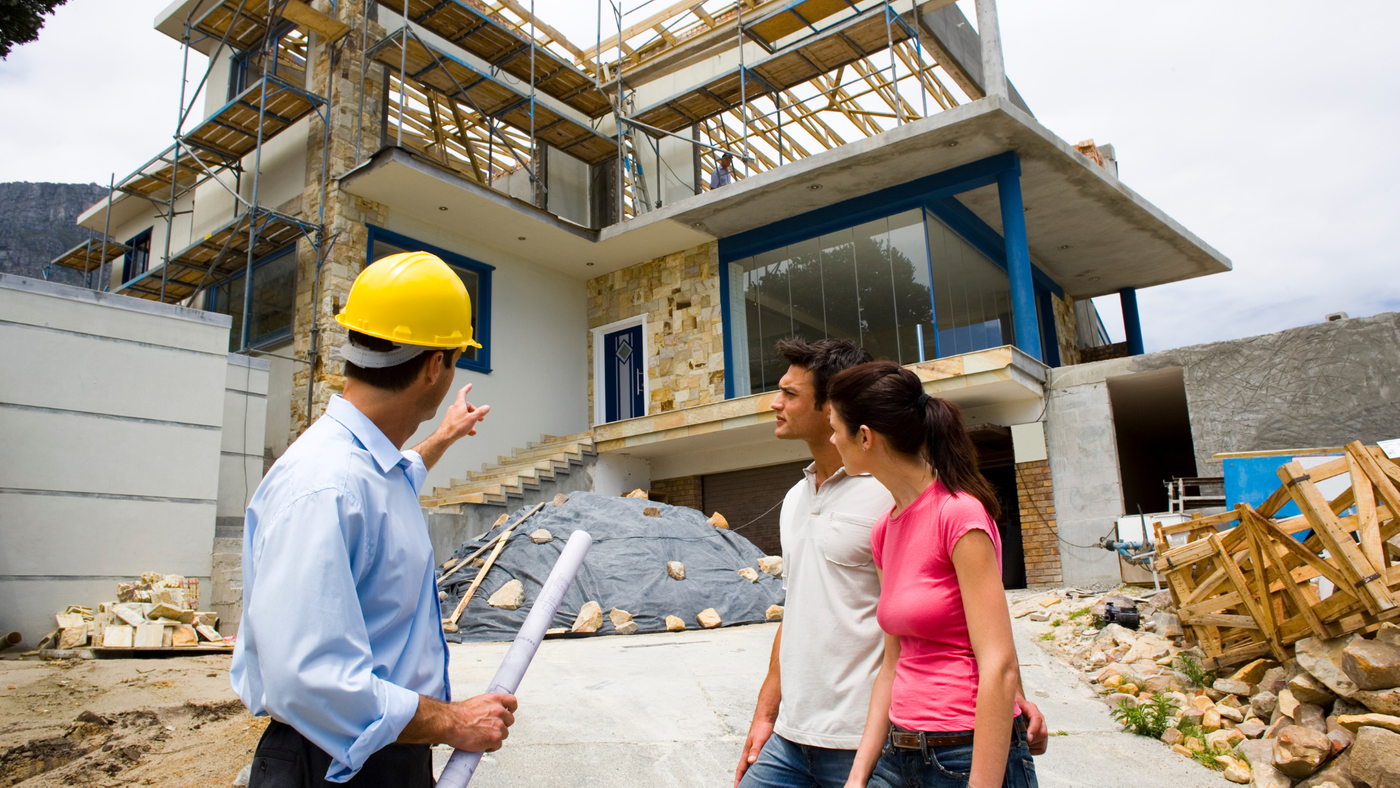
Clear, consistent communication is one of the most overlooked factors in a successful construction or renovation project. Whether you are managing a large-scale HOA reconstruction or a residential exterior painting job, communication directly impacts timelines, budgets, and overall satisfaction.
At Whitestone Industries, we often say: One team. One point of contact. Real accountability. That philosophy starts and ends with communication.
Why Communication Matters in Construction
Construction projects involve multiple moving parts. Without strong communication, even a well-planned job can quickly fall off track.
Key Impacts of Poor Communication:
-
Missed deadlines due to unclear expectations
-
Budget overruns from unapproved changes
-
Frustration between owners, managers, and contractors
-
Increased risk of errors and rework
Benefits of Strong Communication:
-
Clear alignment on scope and expectations
-
Faster decision-making
-
Improved project efficiency
-
Greater trust between all parties
Establishing Clear Expectations From Day One
The foundation of good communication starts before the project even begins.
What Should Be Clearly Communicated:
-
Scope of work and project phases
-
Timeline and key milestones
-
Payment schedules and billing structure
-
Roles and responsibilities
When expectations are documented and reviewed upfront, it eliminates confusion later. This is especially important for HOA boards and property managers juggling multiple stakeholders.
The Role of a Dedicated Point of Contact
One of the biggest communication breakdowns happens when there are too many voices involved.
A single point of contact ensures:
-
Consistent messaging
-
Faster responses
-
Clear accountability
At Whitestone Industries, every project includes a dedicated Job Site Supervisor and project manager to streamline communication and keep everyone aligned.
Regular Updates Keep Projects Moving
Ongoing communication is just as important as the initial planning phase.
Best Practices for Updates:
-
Weekly progress reports
-
Scheduled site walks
-
Immediate notification of delays or changes
-
Transparent documentation of decisions
These touchpoints ensure that issues are addressed early, not after they become costly problems.
Handling Changes and Unexpected Issues
No construction project goes exactly as planned. Hidden damage, weather delays, and material issues are common.
The difference between a smooth project and a stressful one often comes down to how these situations are communicated.
Strong Communication During Changes Means:
-
Clear explanation of the issue
-
Options presented with pros and cons
-
Transparent pricing adjustments
-
Written approvals before proceeding
This level of clarity protects both the client and the contractor.
Communication Builds Trust and Long-Term Partnerships
At the end of the day, construction is not just about materials and labor. It is about relationships.
When communication is handled well:
-
Clients feel confident and informed
-
Contractors operate more efficiently
-
Projects are more likely to stay on schedule and budget
This is especially important for property managers and HOA boards who rely on trusted partners for ongoing maintenance and capital improvement projects.
Final Thoughts
Strong communication is not a “nice to have” in construction. It is a critical component of project success.
From the first proposal to the final walkthrough, consistent and transparent communication ensures:
-
Fewer surprises
-
Better outcomes
-
Stronger working relationships
Choosing a contractor who prioritizes communication can make the difference between a stressful project and a seamless one.