
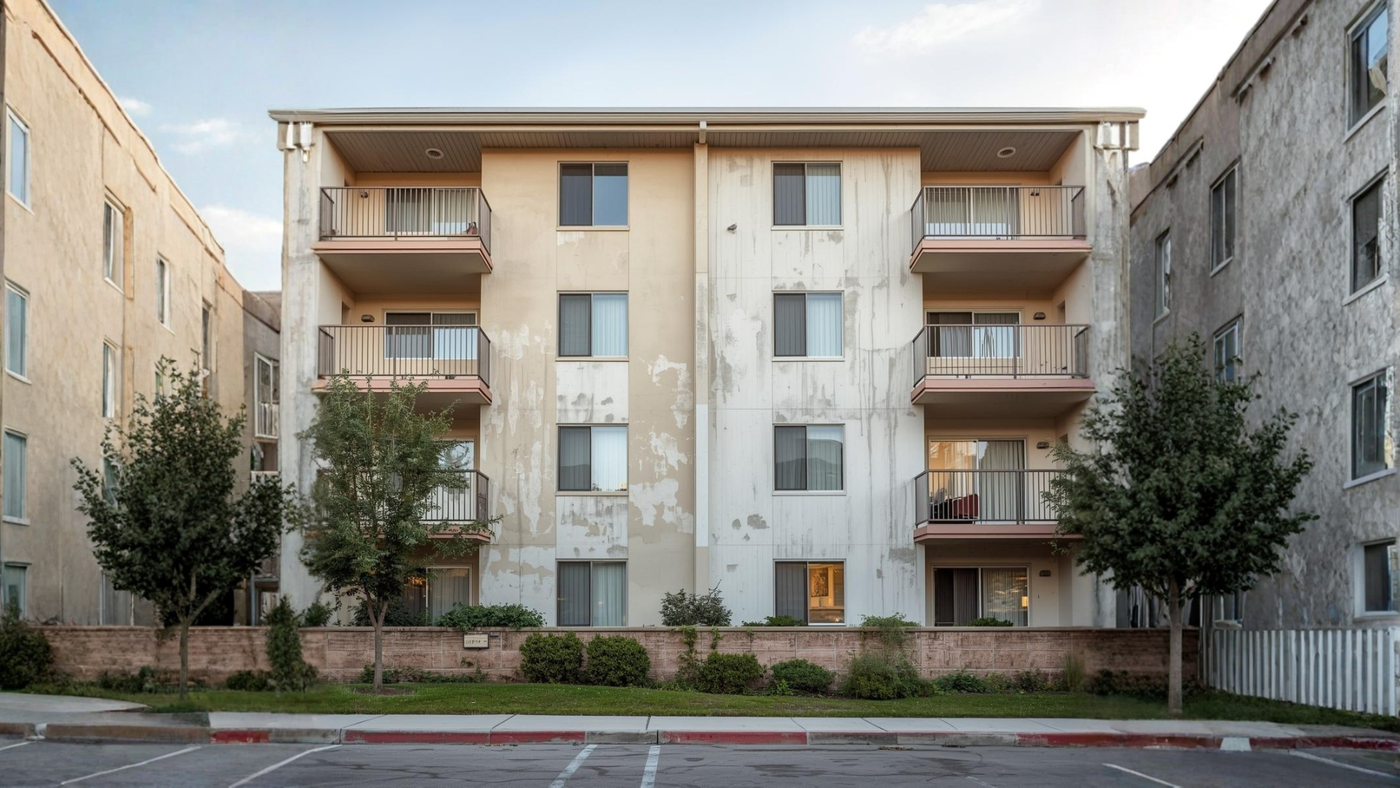
Exterior maintenance is often one of the first budget items deferred when operating costs rise. For multi-family property owners, HOAs, and property managers, postponing exterior work can feel like a short-term win. In reality, deferred exterior maintenance almost always leads to higher long-term costs, increased liability, and diminished asset value.
Understanding where these hidden costs come from is the first step toward protecting both your property and your budget.
Why Exterior Maintenance Gets Deferred
Exterior projects are typically large, visible expenses that require planning, board approval, and resident coordination. Common reasons maintenance is postponed include:
-
Budget constraints or reserve shortfalls
-
Competing capital projects
-
Minimal visible damage at the surface level
-
A belief that small issues can wait another year
While these reasons are understandable, they often overlook what is happening beneath the surface of the building envelope.
Small Exterior Issues Become Structural Problems
What begins as cosmetic wear can quickly escalate into costly repairs when exterior systems fail.
Common examples include:
-
Hairline cracks that allow moisture intrusion
-
Failing paint systems that expose wood or stucco
-
Deteriorated sealants around windows and penetrations
-
Poor drainage leading to trapped water at balconies and roofs
Once moisture enters the structure, damage accelerates. Repairs expand from surface work into framing, sheathing, insulation, and interior finishes. At that point, costs multiply and timelines extend significantly.
Deferred Maintenance Increases Project Costs
Waiting rarely saves money. In most cases, it increases total project costs due to:
-
Expanded scope of repairs
-
More intensive surface preparation
-
Replacement of damaged substrates instead of repairs
-
Emergency mobilizations rather than planned scheduling
A repaint delayed too long often becomes a repair and repaint project. A minor roof issue ignored can turn into a partial or full re-roof. These escalations can double or triple original estimates.
Liability and Safety Risks Rise Over Time
Exterior deterioration is not just a financial concern. It can also become a safety issue.
Examples of increased liability include:
-
Loose or rotting balcony components
-
Failing railings or stair systems
-
Water intrusion leading to mold concerns
-
Slippery walkways caused by poor drainage
Property owners and boards may face claims if known issues are not addressed in a reasonable timeframe. Deferred maintenance can be difficult to defend when documentation shows warning signs were present.
Deferred Maintenance Impacts Property Value and Marketability
Curb appeal plays a major role in tenant perception, retention, and leasing velocity. Buildings that appear neglected can experience:
-
Higher tenant turnover
-
Increased complaints and maintenance calls
-
Reduced rental competitiveness
-
Lower appraisal and sale values
For HOAs, deferred maintenance can also impact resale values and buyer confidence, especially during inspections and escrow reviews.
Budgeting Becomes Reactive Instead of Strategic
When exterior maintenance is postponed, budgeting often shifts from proactive planning to emergency spending. This can result in:
-
Unplanned special assessments
-
Emergency repair premiums
-
Disrupted reserve schedules
-
Board and homeowner frustration
Planned maintenance allows costs to be forecasted, phased, and aligned with reserve studies. Reactive repairs do not.
How Proactive Exterior Maintenance Saves Money
Proactive maintenance does not mean overspending. It means addressing issues at the right time.
Benefits include:
-
Smaller, more predictable project scopes
-
Longer service life for paint, roofing, and waterproofing systems
-
Improved contractor scheduling and pricing
-
Reduced liability exposure
-
Stronger asset performance over time
Regular inspections and maintenance planning allow property teams to make informed decisions instead of rushed ones.
Final Thoughts
Deferred exterior maintenance often appears to reduce short-term expenses, but the hidden costs add up quickly. For multi-family properties and HOAs, proactive exterior care is one of the most effective ways to protect budgets, residents, and long-term asset value.
Addressing issues early keeps projects manageable, predictable, and far less disruptive than waiting until damage forces action.