
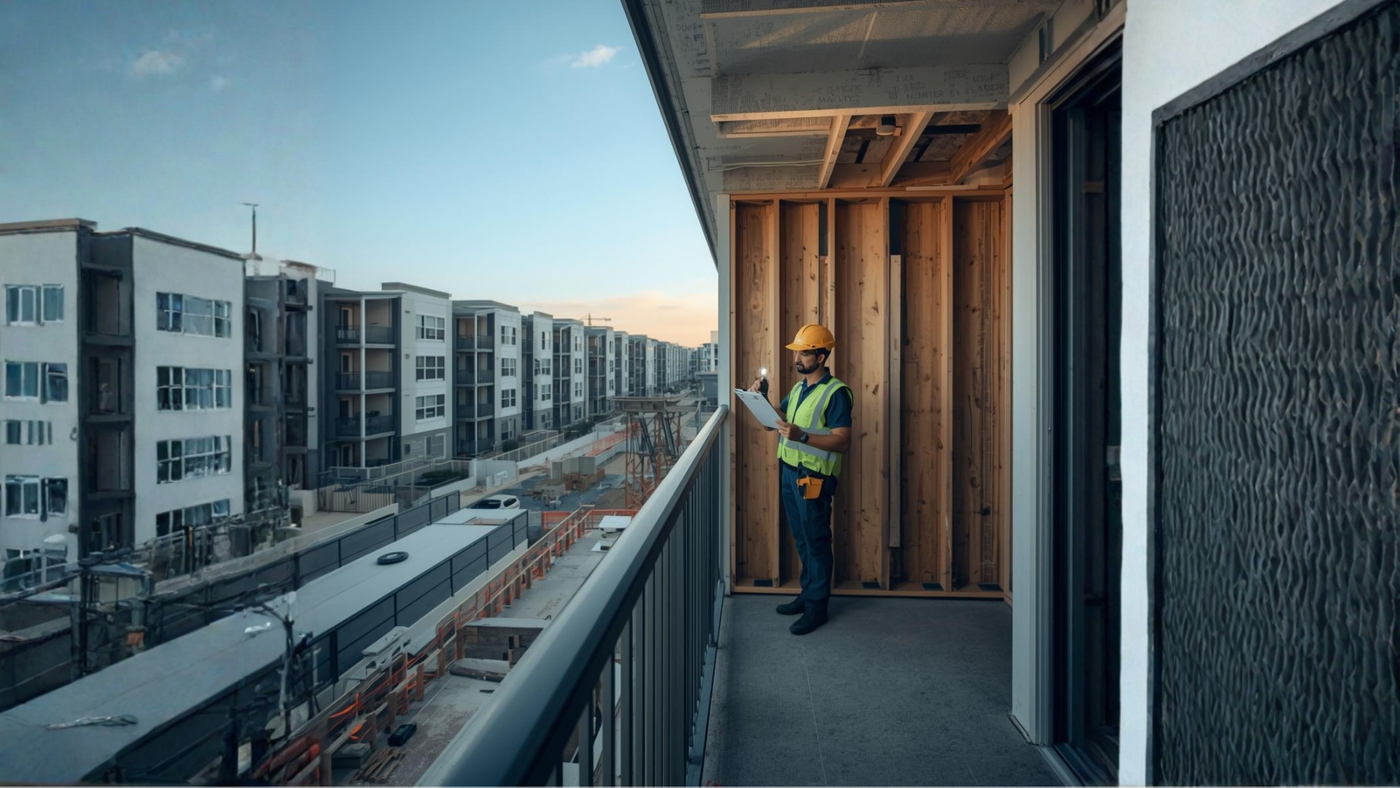
For many California HOAs, the inspection is only the beginning.
SB-326 and SB-721 were designed to improve life safety by requiring inspections of certain exterior elevated elements, including balconies, decks, stairways, walkways, and similar components that are elevated more than six feet above grade and rely in whole or in substantial part on wood or wood-based products for structural support. SB-326 generally applies to condominium associations where the HOA has maintenance or repair responsibility for those elements, while SB-721 applies to qualifying multifamily buildings with three or more dwelling units.
If your community has already completed an inspection, the next question is usually the same: now what?
The answer depends on what the report found, how severe the damage is, and how quickly the association can move from compliance to actual repair work. For most HOAs, the post-inspection phase includes report review, prioritization, budgeting, contractor coordination, resident communication, and in some cases immediate safety measures.
First, understand what the inspection report is really telling you
Under SB-326, the inspector’s written report must identify the load-bearing components and associated waterproofing system, describe current condition, estimate future performance and remaining useful life, and recommend necessary repair or replacement. The law also requires the report to note whether any condition presents an immediate threat to resident health and safety.
Under SB-721, the inspection must evaluate the current condition of the exterior elevated elements, future performance expectations, projected service life, and any recommendations for further inspection. The written report must be delivered within 45 days of completion and include photographs, test results if applicable, and enough narrative detail to create a baseline for future inspections. It must also state whether any element poses an immediate threat and whether emergency repairs or restricted access are necessary.
For an HOA board, this means the report is not just a pass-or-fail document. It is a repair roadmap. It should help your board understand which balconies are serviceable, which need monitoring, which need repair soon, and which may require urgent action.
Expect repairs to be grouped by urgency, not convenience
One of the biggest misconceptions boards have is that all balcony findings can wait until a future capital improvement project. In reality, inspection findings often fall into different urgency levels.
Some balconies may show early signs of waterproofing failure, such as cracked coatings, failed sealants, rust staining, soft spots, or visible moisture intrusion. Others may have hidden deterioration in framing, sheathing, or connections that requires more immediate corrective work. When an inspector identifies an immediate threat, the law expects prompt action, not a delayed committee discussion. SB-326 requires associations to take preventative measures immediately and begin the repair process, while SB-721 states that elements found to need repair or replacement must be corrected by the building owner.
That usually means HOAs should expect repairs to be phased in one of three buckets:
-
Immediate safety items such as restricted access, shoring, temporary stabilization, or emergency repairs
-
Near-term repairs for deteriorated balconies that are still standing but have active damage that can worsen quickly
-
Planned capital repairs for components that are aging, weathered, or nearing the end of useful life but are not yet in critical condition
Be prepared for invasive follow-up testing
A visual inspection is often only the first layer. SB-326 allows the inspector to conduct further inspection if signs of unintended water intrusion are observed, and SB-721 allows evaluation by direct visual examination or comparable methods, with at least 15 percent of each type of exterior elevated element inspected.
In practice, that means your HOA may need additional destructive testing after the initial report. Contractors or consultants may need to open stucco soffits, remove finishes, cut inspection openings, or expose framing and waterproofing assemblies to confirm the true extent of concealed damage.
This is where many associations realize the repair scope is larger than originally expected. Surface-level symptoms often point to deeper issues inside the assembly, especially where waterproofing has failed over time. A balcony that looks repairable from the outside may need structural framing replacement once the system is opened up.
Repairs usually involve more than carpentry
Boards often think of balcony repair as a simple wood replacement project. It rarely is.
Most post-inspection scopes involve a combination of trades, including demolition, rough carpentry, structural repair, waterproofing, flashing, sealants, coatings, stucco, paint, and sometimes metal fabrication or railing work. If dry rot or water intrusion has traveled beyond the balcony itself, repairs can also extend into adjacent walls, doors, or occupied interiors.
That is why the strongest repair plans treat balcony restoration as a system repair, not a patch job. The structure, waterproofing, and finish layers all need to work together. Fixing the wood without correcting the waterproofing details is one of the fastest ways to end up back in the same position later.
HOAs should expect budget pressure and reserve planning conversations
For many communities, the inspection report creates financial urgency. A small number of deteriorated balconies can sometimes be handled with operating funds or a targeted repair project. But widespread issues across multiple buildings may require reserve reallocations, special assessments, financing, or phased construction planning.
SB-326 ties inspections to the association’s reserve study cycle by requiring inspections at least once every nine years, and the written findings should inform the board’s maintenance and reserve planning. SB-721 inspections recur every six years after the initial deadline, with newer qualifying buildings inspected within six years of certificate of occupancy.
That means boards should not treat the report as a one-time compliance event. It should directly shape future reserve assumptions, repair timing, and preventative maintenance strategy.
Resident communication becomes critical after the inspection
Once repairs are recommended, communication matters almost as much as construction.
Residents want to know:
-
whether their balcony is safe to use
-
whether access will be restricted
-
how long repairs will last
-
what noise, dust, or disruption to expect
-
whether crews will need access inside units
The smoother projects are usually the ones where the board sets expectations early. That includes explaining why the repair is necessary, what the schedule looks like, and how the work supports both safety and long-term property preservation.
A vague message like “balcony work is coming” usually creates confusion. A better approach is a structured communication plan with inspection summary, next steps, anticipated timeline, access requirements, and regular updates as the project moves forward.
Documentation and compliance do not end when construction starts
Post-inspection compliance is not just about hiring a contractor. SB-721 requires necessary permits for repair or replacement to be obtained from the local jurisdiction, and repairs must be completed by a qualified and licensed contractor in accordance with the licensed professional’s recommendations, manufacturer requirements, the California Building Standards Code, and local jurisdictional requirements.
For condo associations, recent California changes also increased the importance of maintaining and disclosing exterior elevated element inspection records. As of January 1, 2026, the most recent inspection report is included among the documents tied to resale disclosures under Civil Code Section 4528.
So after the inspection, HOAs should expect to keep organized records for the report, contractor scope, permits, repair documentation, and closeout materials. Good documentation protects the association and supports future reserve planning, maintenance decisions, and disclosure obligations.
What a strong post-inspection process looks like
The most successful HOAs usually move through the same sequence:
Review the report carefully. Identify life-safety issues first. Confirm whether further destructive testing is needed. Develop a prioritized scope. Align the repair plan with funding strategy. Communicate clearly with residents. Then move into construction with a contractor who understands structural repairs, waterproofing, resident coordination, and documentation.
That is the real post-inspection phase.
The inspection tells you where the risk is. The repair process is what actually reduces it.
For HOAs, the goal should not be to simply “get through” SB-721 or SB-326. It should be to use the inspection as a starting point for smarter repair planning, safer buildings, and longer-lasting exterior systems.
If your association has completed an inspection and is now evaluating balcony repairs, this is the time to shift from compliance mode to action mode.