
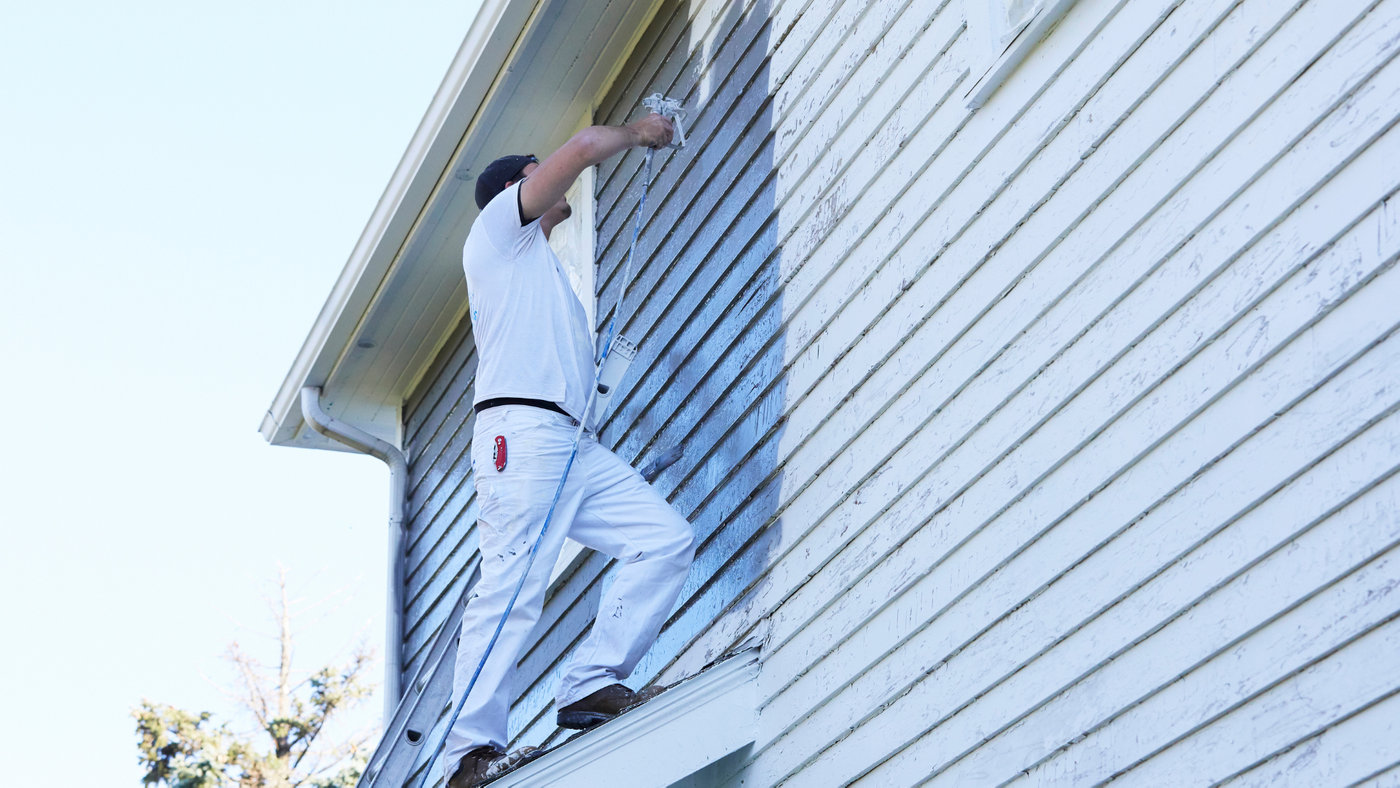
Repainting your home’s exterior is one of the most effective ways to protect your investment and maintain curb appeal. But one of the most common questions homeowners ask is simple: How often should I repaint my house exterior?
The answer depends on several factors, including materials, climate, and the quality of the previous paint job. Understanding these variables helps homeowners plan proactively instead of waiting for visible damage.
Average Repaint Timeline for Residential Homes
In general, most homes need exterior repainting every 5 to 10 years. However, this range varies based on surface type and exposure.
Typical repaint timelines by material:
-
Wood siding: Every 3 to 7 years
-
Stucco: Every 5 to 10 years
-
Fiber cement: Every 8 to 12 years
-
Brick (painted): Every 10 to 15 years
-
Aluminum or vinyl (painted): Every 5 to 10 years
Homes in California often experience intense sun exposure, which accelerates fading and paint breakdown, especially on south and west facing elevations.
Signs Your Home Is Due for Repainting
Even if you do not track years precisely, your home usually tells you when it is time for a repaint. Ignoring these signs can lead to costly repairs later.
Common indicators include:
-
Peeling, cracking, or blistering paint
-
Faded or chalky surfaces
-
Exposed or bare wood
-
Cracked stucco or hairline fractures
-
Moisture staining around windows or trim
Paint does more than improve appearance. It serves as a protective barrier against moisture, UV damage, and material deterioration.
Factors That Impact How Often You Should Repaint
Climate and Sun Exposure
Homes in hot, dry climates or areas with strong sun exposure require more frequent repainting. UV rays gradually break down paint binders, leading to fading and cracking.
Surface Preparation and Prior Work
A high-quality paint job with proper surface preparation lasts significantly longer than one applied without repairs or priming. Painting over damaged surfaces shortens the lifespan of the coating.
Paint Quality
Higher-quality exterior paints cost more upfront but often last years longer, resist fading, and provide better moisture protection.
Surrounding Environment
Homes near busy roads, coastal areas, or landscaping with heavy irrigation tend to experience faster exterior wear.
Why Waiting Too Long Can Cost More
Delaying exterior repainting can turn a maintenance project into a repair project. When paint fails completely, moisture can penetrate wood, stucco, and trim, leading to:
-
Dry rot and wood replacement
-
Stucco delamination or cracking
-
Mold or mildew growth
-
Increased prep and repair costs
Repainting at the right time protects the structure beneath the paint and helps homeowners avoid unnecessary expenses.
How Whitestone Industries Approaches Residential Exterior Painting
At Whitestone Industries, exterior painting is treated as a system, not just a color change. Every residential project begins with an evaluation of the home’s condition to identify repairs, prep needs, and coating requirements.
Our process includes:
-
Thorough exterior inspection
-
Surface preparation and pressure washing
-
Repair of damaged wood or stucco
-
Proper priming of all exposed substrates
-
Application of high-performance exterior coatings
This approach ensures your paint lasts longer, protects your home, and delivers consistent results.
Planning Ahead for Your Next Repaint
If your home is approaching the 5 to 10 year mark or showing visible signs of wear, now is the time to start planning. Scheduling early allows flexibility in timing, color selection, and budgeting.
A proactive repaint preserves your home’s value, improves curb appeal, and prevents more serious exterior issues from developing.
If you are unsure whether your home is due for repainting, Whitestone Industries is available to provide an honest assessment and recommendations tailored to your property.