
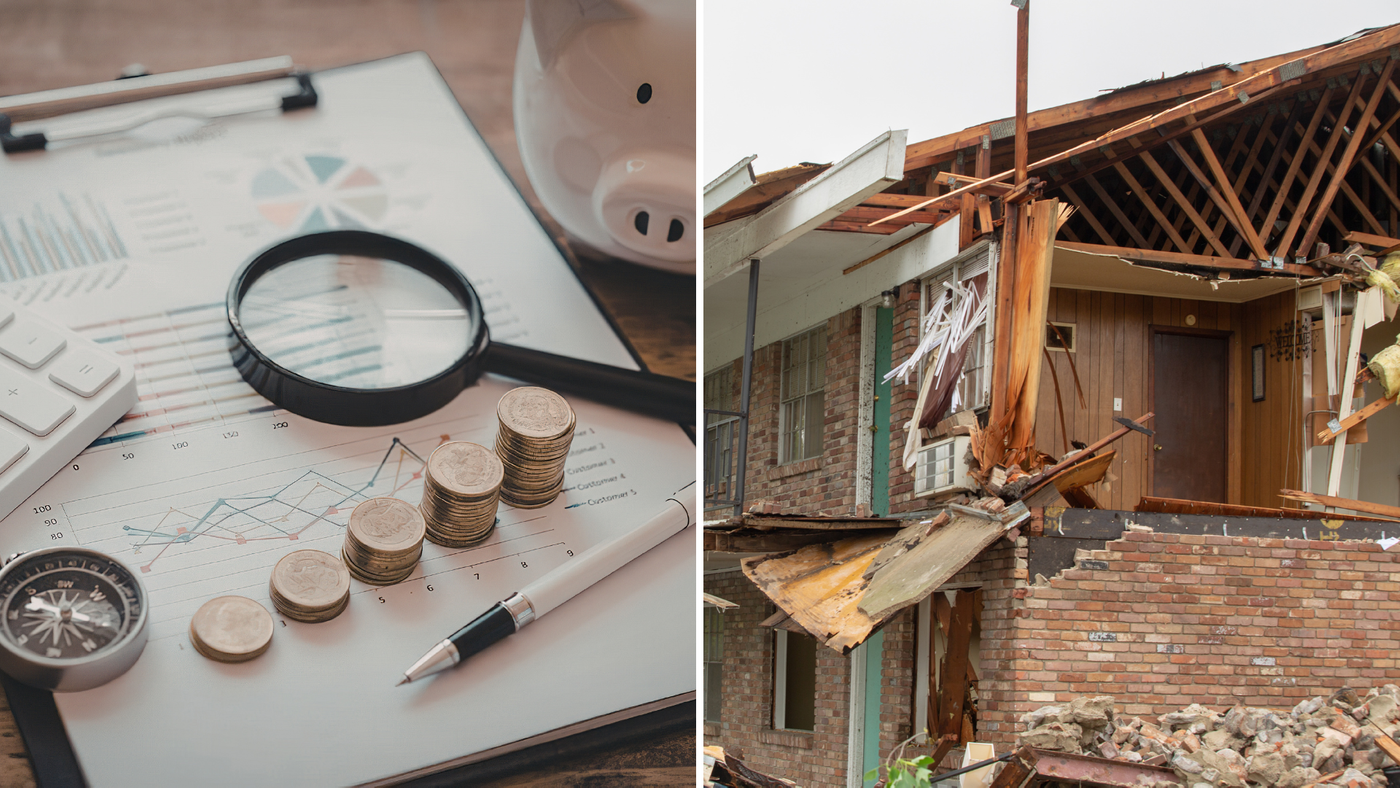
For HOA boards across California, reserve studies are the financial backbone of long-term planning. They estimate future repair and replacement costs, help set monthly dues, and give boards a roadmap for managing community assets responsibly.
But here's the problem: many reserve studies significantly underestimate what exterior repairs actually cost — especially after an SB 326 or SB 721 inspection reveals hidden damage beneath the surface.
If your association is relying solely on a reserve study to budget for upcoming exterior work, it's worth taking a closer look at where the gaps are and what you can do to protect your community's financial health.
What a Reserve Study Is (and What It Isn't)
A reserve study is a financial planning tool that evaluates the expected lifespan and replacement cost of a community's common area components — things like roofing, paint, fencing, walkways, and balconies. Most studies are conducted by reserve specialists or engineers who assess current conditions and project costs over a 20 to 30-year horizon.
Reserve studies are valuable. They create structure, encourage proactive saving, and help boards make the case to homeowners for adequate funding levels.
But a reserve study is not a construction estimate. It is a projection based on general assumptions — and those assumptions can miss the mark in significant ways, particularly when it comes to exterior systems in aging California multifamily properties.
Where Reserve Studies Fall Short
1. Hidden Structural Damage Isn't Accounted For
Reserve studies evaluate visible conditions at the time of the study. They do not account for what's happening beneath the surface of your balconies, decks, stairways, or waterproofing systems.
When SB 326 or SB 721 inspections uncover dry rot, water-damaged framing, corroded hardware, or failed waterproofing membranes beneath otherwise intact finishes, the scope of repair work can far exceed what the reserve study projected. These are not budget overruns caused by a bad contractor — they are the result of damage that was simply invisible until a licensed professional opened things up.
2. Inflation and Material Costs Change Faster Than Update Cycles
Most reserve studies are updated every three to five years. In a period of rapid cost increases — labor, lumber, materials, fuel — a study completed even two years ago may significantly understate current pricing. California's construction labor market in particular has seen consistent cost increases, and supply chain conditions can affect material pricing with little warning.
A reserve study projecting $150,000 for balcony repairs based on conditions and pricing from 2022 may easily translate to $200,000 or more when the work is actually bid and performed today.
3. Scope Assumptions Are Often Too Narrow
Reserve studies typically budget for replacement of surface components — the decking material, the coating, the paint. They often do not fully account for the labor and cost involved in full structural rehabilitation when the underlying framing, ledger connections, or waterproofing assemblies have failed.
When repairs require demolition to access structural components, debris removal, engineering oversight, permit fees, and phased construction to keep residents safe, costs increase substantially beyond a simple surface-level replacement figure.
4. California's Regulatory Requirements Add Real Cost
SB 326 and SB 721 have created new compliance requirements that many older reserve studies do not fully reflect. When an inspection identifies conditions that require immediate repair — particularly those flagged as safety hazards — associations may be legally obligated to act quickly, regardless of what the reserve study planned for.
Emergency or accelerated timelines, engineering documentation requirements, permitting, and coordination with inspectors all add cost to exterior repair projects that a generic reserve study may not have anticipated.
What This Means for Your HOA
The gap between a reserve study projection and actual repair costs doesn't have to become a crisis — but it does require boards to plan more carefully and work with contractors who can help bridge the information gap early.
Here's what proactive HOA boards should be doing:
Get a Pre-Construction Condition Assessment Before budgeting for a major exterior project, commission a professional condition assessment from a qualified contractor. This goes deeper than a visual inspection and gives you a realistic picture of what the work will actually involve — before you're locked into a scope or a budget.
Request Detailed Line-Item Estimates A qualified contractor should be able to provide a detailed proposal that breaks down labor, materials, allowances for hidden conditions, and any engineering or permit costs. Understanding these line items helps your board have an honest conversation about what's funded and what isn't.
Update Your Reserve Study After Inspections If your community has recently completed an SB 326 or SB 721 inspection and repairs were identified, use that information to update your reserve study as soon as possible. The inspection report provides documented conditions and recommendations that your reserve specialist can incorporate into revised projections.
Work With a Single Integrated Contractor One of the most effective ways to control costs and close the gap between budget and reality is to work with a contractor who can handle the full scope of exterior work — inspections, repairs, waterproofing, roofing, and painting — under a single contract. Coordinating multiple vendors adds cost, creates scheduling conflicts, and increases the risk of scope gaps that result in change orders.
The Whitestone Approach
At Whitestone Industries, we work with HOA boards and property managers across California who are navigating exactly this challenge. Our team brings together inspection expertise, reconstruction capability, waterproofing, roofing, and exterior painting under one roof — which means we can give you an honest, detailed picture of what your property actually needs and what it will actually cost.
We don't just execute the work. We help boards understand what they're looking at, communicate with their communities, and make informed financial decisions before a reserve shortfall becomes an emergency.
If your community has a major exterior project on the horizon — or an SB 326 or SB 721 inspection report sitting on the board's desk — we're here to help you plan for it the right way.
Contact Whitestone Industries today to schedule a property assessment and get a realistic picture of what your exterior repair budget should look like.
Whitestone Industries serves HOAs, multifamily property owners, and commercial properties throughout California with commercial and multi-family services, commercial roofing, SB 326 and SB 721 inspections and consulting, construction defect and destructive testing, and residential services. Call us at 888-567-2234 or visit wsindustries.com.