
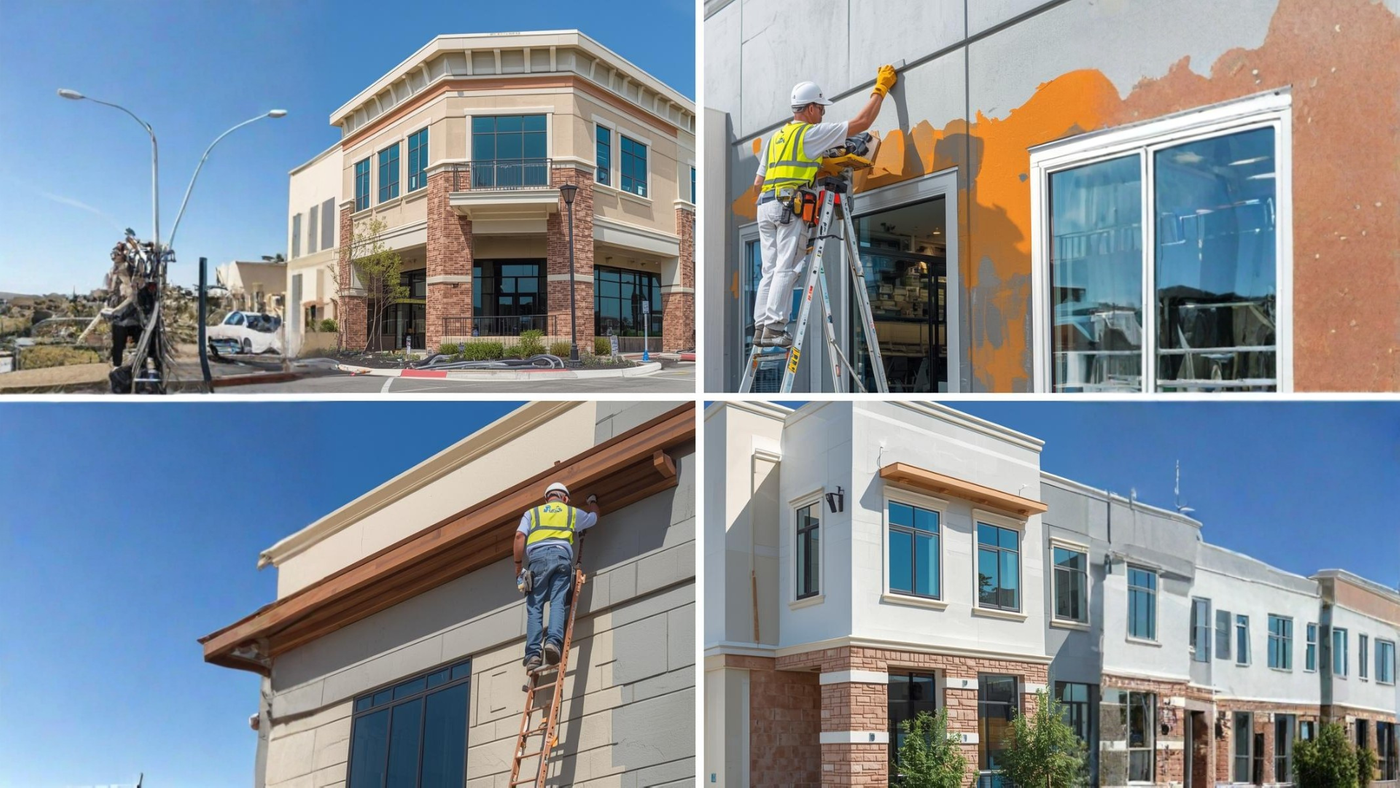
How Exterior Painting Protects Your Building, Not Just Its Appearance
Exterior painting is often viewed as a cosmetic improvement, something done to refresh a building’s look or boost curb appeal. In reality, a professional exterior paint system plays a critical role in protecting the structure itself. When done correctly, exterior painting acts as a defensive barrier that helps preserve materials, prevent damage, and extend the life of the building.
Understanding this protective function helps property owners make smarter maintenance decisions and avoid costly repairs.
Paint as the First Line of Defense
Exterior paint is designed to shield a building from constant environmental exposure. Sun, moisture, wind, temperature changes, and air pollutants all contribute to material deterioration over time.
A properly applied paint system helps:
-
Block moisture intrusion
-
Reduce UV damage and surface breakdown
-
Protect wood, stucco, and metal from exposure
-
Slow the aging of exterior materials
Without this protective layer, underlying substrates are left vulnerable to rot, cracking, corrosion, and structural degradation.
Moisture Control and Water Resistance
Moisture is one of the most damaging forces affecting buildings. When paint begins to fail, water can penetrate through cracks, seams, and exposed surfaces.
Exterior paint helps manage moisture by:
-
Sealing porous surfaces like stucco and wood
-
Protecting joints, trim, and transitions
-
Preventing water absorption that leads to rot or mold
-
Supporting waterproofing systems at vulnerable areas
Once moisture enters the building envelope, damage often spreads beyond what is visible, increasing repair costs significantly.
UV Protection and Surface Longevity
Sun exposure breaks down building materials over time. Ultraviolet rays degrade paint binders, dry out wood, and cause fading and surface erosion.
High-quality exterior coatings are engineered to resist UV exposure, which helps:
-
Maintain surface integrity
-
Reduce cracking and chalking
-
Extend the lifespan of substrates
-
Keep repairs localized instead of widespread
This is especially important in California climates where sun exposure is intense year-round.
Protecting Structural Components
Exterior paint does more than protect visible surfaces. It plays a role in safeguarding critical building components such as fascia, trim, siding, and balconies.
When paint systems are maintained properly, they help prevent:
-
Dry rot in wood elements
-
Rust and corrosion on metal components
-
Stucco cracking and delamination
-
Premature failure of sealants and caulking
Painting over unresolved damage, however, does not provide protection. Proper surface preparation and repairs are essential for paint to perform as intended.
The Cost of Deferred Painting
Delaying exterior painting often results in higher costs later. When protective coatings fail completely, repairs move beyond maintenance and into reconstruction.
Deferred painting can lead to:
-
Extensive wood replacement
-
Stucco remediation
-
Structural repairs
-
Increased labor and material costs
Proactive painting is significantly more cost-effective than reactive repairs.
Exterior Painting as Part of a Maintenance Strategy
The most successful property owners treat exterior painting as part of a long-term maintenance plan, not a standalone project. Regular inspections, timely repairs, and scheduled repainting help control budgets and protect assets.
A strategic painting program offers:
-
Predictable maintenance cycles
-
Longer building lifespan
-
Improved safety and compliance
-
Reduced emergency repairs
-
Consistent property appearance
How Whitestone Industries Approaches Protective Painting
At Whitestone Industries, exterior painting is approached as a protective system. Each project begins with an evaluation of the building’s condition to identify repairs, preparation requirements, and coating needs.
Our process includes:
-
Exterior inspection and condition assessment
-
Repair of damaged wood, stucco, and trim
-
Proper surface preparation and priming
-
Application of high-performance coatings
-
Execution focused on longevity and protection
This approach ensures the paint does more than look good. It works.
Final Thoughts
Exterior painting is one of the most important investments a property owner can make. When done correctly, it protects your building from moisture, sun damage, and material failure while preserving value and appearance.
If your property has not been evaluated recently or is showing signs of paint failure, it may be time to consider an inspection and proactive plan.